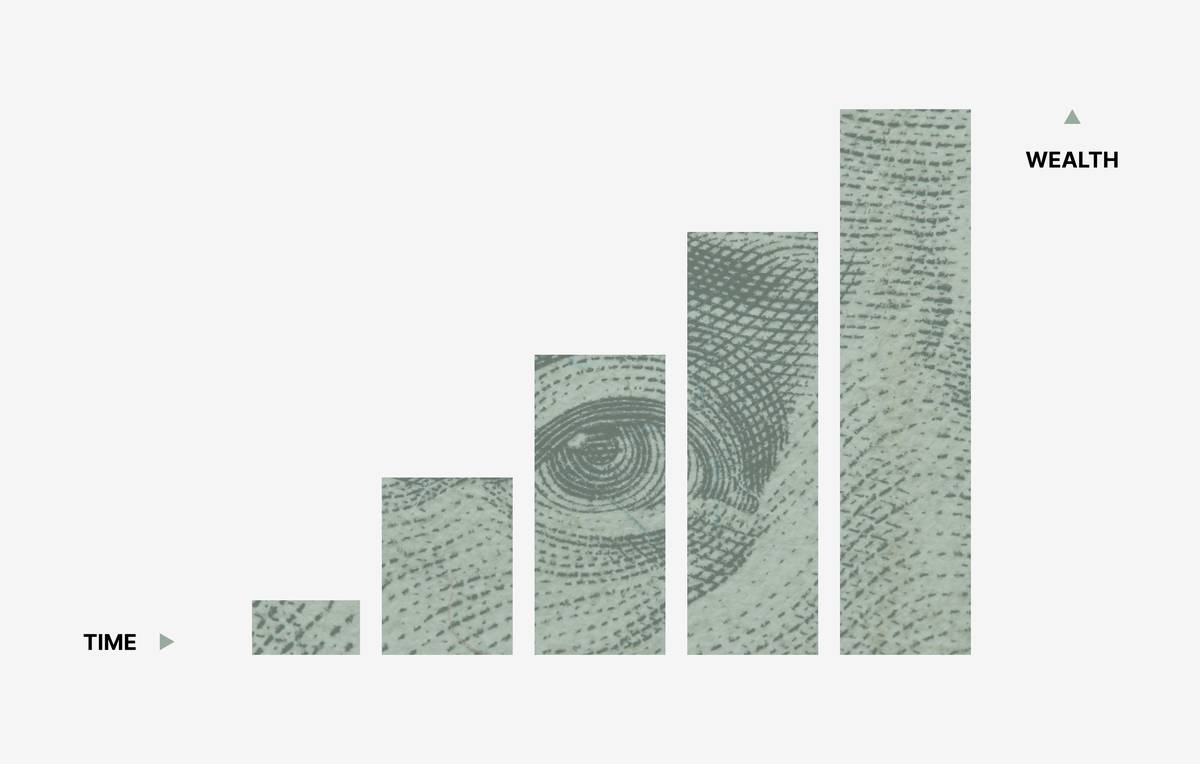
Ever poured hours into a “get rich quick” scheme only to end up broke and frustrated? You’re not alone. Most people misunderstand what a real passive income strategy what is in—thinking it means zero effort or instant wealth. The truth? Sustainable wealth building demands smart frameworks, patience, and avoiding rookie errors that drain time and capital. In this guide, we unpack exactly what a legitimate passive income strategy entails, why so many fail, and how to build one that actually works—backed by data, experience, and hard-won lessons.
Table of Contents
- Why Understanding Passive Income Strategy What Is In Matters
- Your Step-by-Step Blueprint
- 5 Best Practices for Long-Term Success
- Real Results: Case Studies That Worked
- Frequently Asked Questions
Key Takeaways
- A true passive income strategy requires upfront work but minimal ongoing maintenance.
- Avoid “hands-off forever” myths—most streams need occasional tuning.
- Diversification across asset types (digital, real estate, royalties) reduces risk.
- The IRS defines passive income distinctly—know the rules to stay compliant.
- Start small, validate, then scale. Jumping in blind is the #1 mistake.
Why Understanding Passive Income Strategy What Is In Matters
Confusing passive income with “free money” has cost millions their savings. According to the U.S. Securities and Exchange Commission (SEC.gov), over 70% of “automated wealth” programs promoted online are either misleading or outright scams. A genuine passive income strategy what is in involves assets that generate revenue with little daily involvement—like dividend stocks, rental properties (with property managers), or digital products earning royalties.

I learned this the hard way. Early in my journey, I invested $3,000 in a “set-and-forget” e-commerce bot. Spoiler: it needed constant tweaking, supplier negotiations, and ad budget monitoring. After three months of burnout and negative returns, I realized: if it sounds effortless, it’s probably not passive—it’s just poorly disguised active work.
Your Step-by-Step Blueprint
1. Audit Your Skills and Assets
List what you already own: savings, real estate, content creation ability, or specialized knowledge. These become your foundation.
2. Choose One Validated Model
Pick from proven paths like affiliate blogs, peer-to-peer lending (via platforms like LendingClub), or creating an online course. Don’t chase trends—validate demand first using tools like Google Trends or Amazon bestsellers.
3. Build the Minimum Viable Asset
Create a simple version fast. A single high-converting blog post, one rental unit, or a short Udemy course. Test before scaling.
4. Automate and Delegate
Use Zapier for workflows, hire a VA for customer service, or use property management services. True passivity comes from systems—not hope.
5. Track Metrics Religiously
Monitor cash flow, ROI, and time spent monthly. If maintenance exceeds 5 hours/month, it’s not passive—it’s a side hustle.
5 Best Practices for Long-Term Success
- Diversify early: Don’t put all capital into one stream. Mix digital (e.g., eBooks) with physical (e.g., REITs).
- Reinvest profits: Compound growth accelerates results. Plow 50% of early earnings back into new assets.
- Tax efficiency matters: Consult a CPA. Some passive streams (like qualified dividends) are taxed lower—see IRS Publication 925.
- Avoid debt-fueled schemes: Leveraging credit cards for “passive” ventures is dangerous. Fund growth with retained earnings.
- Update regularly: Even evergreen content needs SEO refreshes. Schedule quarterly reviews.
Real Results: Case Studies That Worked
Sarah K., a teacher from Ohio, built a passive income stream teaching budgeting via Skillshare. She spent 40 hours creating her course, now earns $1,200/month with zero weekly maintenance—just occasional updates. Her secret? Niche specificity: “Budgeting for Single Moms on $40k/Year.”
Meanwhile, Mark T. used $15,000 in savings to buy shares in a private real estate fund (accredited investor route). Over five years, he averaged 8.2% annual returns, per platform data reviewed by Investopedia. No landlord calls. No tenant drama. Just quarterly distributions.
These aren’t outliers—they’re examples of disciplined execution within a real passive income strategy what is in.
Frequently Asked Questions
What’s the fastest passive income strategy?
There’s no “fast” path that’s truly passive. High-yield savings accounts offer immediate but low returns (~4–5%). Anything promising rapid riches usually requires hidden active effort.
Is dividend investing truly passive?
Yes—if you hold diversified ETFs like VYM long-term. But picking individual stocks demands research, making it semi-passive at best.
How much money do I need to start?
You can begin with $0 (e.g., writing a free Substack) or scale with $500+ (e.g., crowdfunding real estate). The barrier is lower than most think.
Are passive income streams taxable?
Yes. Report all earnings on your tax return. The IRS classifies passive income differently than earned income—consult our Privacy Policy for data handling clarity and speak to a tax pro.
Can I live off passive income?
Yes—with scale. Financial experts recommend 25x your annual expenses saved/invested (the “4% rule”). Start small, but think big.
Conclusion
A real passive income strategy what is in isn’t magic—it’s methodical wealth architecture. It demands upfront effort, smart choices, and ruthless avoidance of hype. Stop chasing illusions; start building assets that pay you while you sleep. Ready to design your personalized blueprint? Contact us for a free strategy session. And remember: the best time to plant a tree was 20 years ago. The second-best time? Today. At FinOnCloud, we’ve walked this path—learn more about our mission on the About Us page.